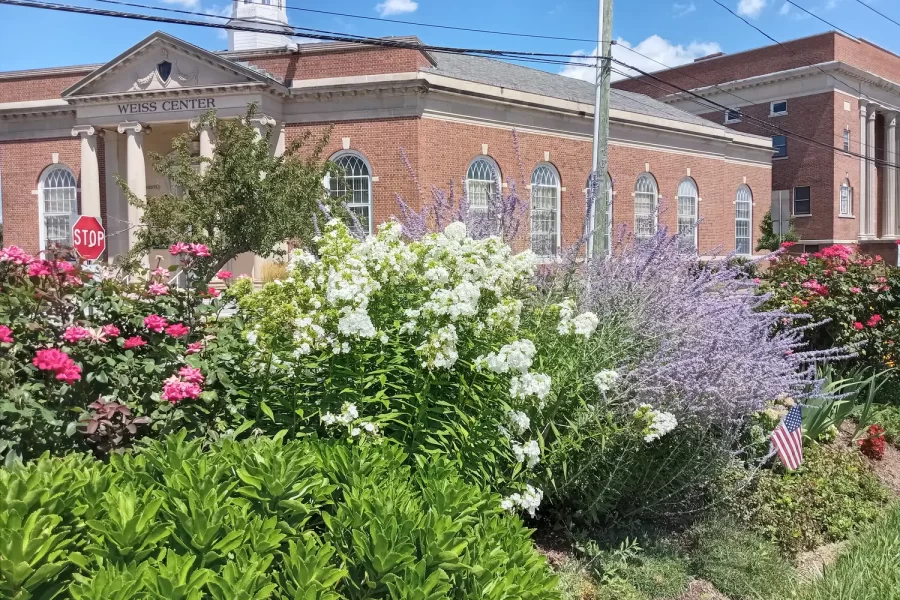
 The Margaret Trotter Memorial Garden
Main & East Center Streets
The Margaret Trotter Memorial Garden
Main & East Center Streets
Our History
A Century of Cultivating Community and Beauty
The Manchester Garden Club has been a vibrant part of our town's history — planting gardens, hosting flower shows, and inspiring a love of nature across generations. Founded in 1926, the Club continues to uphold its founding vision: to share the joy of gardening, promote conservation, and beautify the community we call home.
1926
Founded
100
Years of Service
12+
Civic Gardens Planted
1920s
Our Roots
The Manchester Garden Club began in 1926 with enthusiasm and purpose. That same year, the Club hosted its first Flower Shows, drawing hundreds of visitors and dozens of exhibits. In 1928, members launched the Club's first annual Plant Sale, a tradition that continues to this day. Recognition came quickly — by 1929, the Club was winning gold and silver medals at the Connecticut Horticultural Society's statewide shows.
1930s
Growing Tradition
During the 1930s, members planted an American elm at Porter School (now Highland Park School) to commemorate George Washington's bicentennial and supported school garden clubs through donations of seeds and plants. The Club also landscaped the new YMCA and provided floral arrangements for the dedication of the Mary Cheney Library.
1940s
Service and Stewardship
As war touched every community, members contributed to wartime efforts by donating flower and vegetable seeds to the Finnish Relief Fund and the Seeds for Peace Campaign. Under Mrs. Philip Cheney's leadership, the Club planted therapeutic gardens for soldiers recovering at Bradley Field Station Hospital and Windsor Locks Air Base. In 1941, the Club proudly joined the Federated Garden Clubs of Connecticut, aligning with a broader movement for conservation and civic beautification.
1950s
Memorials and Community Pride
The 1950s brought new traditions and community impact. Members established the Mary Chapman Memorial Planting in Center Memorial Park to honor the Club's first president, supplied plantings for the Lutz Children's Museum, and co-sponsored home decoration contests. The first annual Greens Sale was held in 1952, beginning another beloved fundraiser that would continue for decades.
1960s
Education and Environmental Awareness
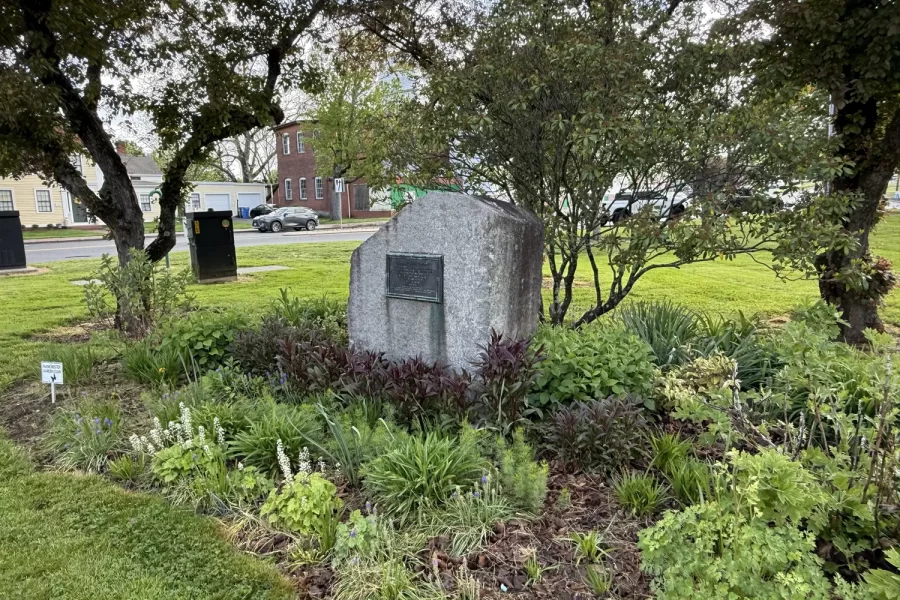
With growing national interest in conservation, the Club expanded its outreach — supporting scout programs, leading anti-litter campaigns, and creating the Margaret Trotter Memorial Garden across from the Post Office (now the Weiss Building). The Club established its first scholarship to support students studying forestry, horticulture, or floriculture, and helped create bird sanctuaries and nature trails throughout Manchester.
1970s
A Time of Celebration
The 1970s marked both the Club's 50th anniversary and its contributions to Manchester's and America's bicentennials. Members planted a "Liberty Tree" oak at the Cheney Homestead and joined the town's bicentennial parade. The Club became a charter member of the Manchester Land Trust, supporting the protection of open spaces such as Case Mountain.
1980s
Expanding Horizons
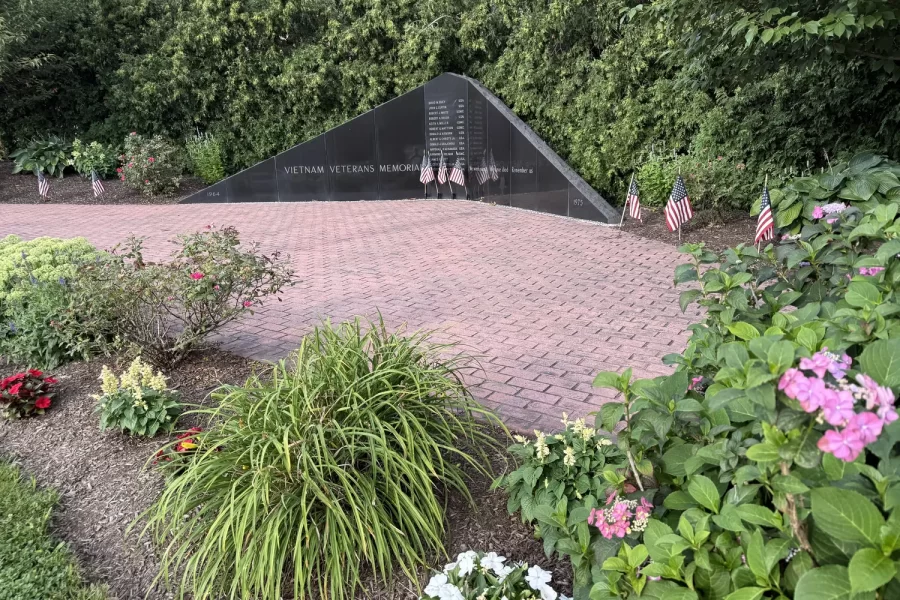
Members established a Horticultural Study Group, supported the restoration of the Pitkin Glassworks site, and dedicated a new Vietnam Veterans Memorial Park Garden. The Club began its long tradition of decorating the Cheney Homestead for the holidays and participating in the Festival of Trees and Traditions at the Wadsworth Atheneum.
1990s
Schools and Civic Renewal
The Club partnered with local schools to create memorial and teaching gardens, donated thousands of bulbs for public plantings, and honored charter members Dr. William and Ellen Buckley with a dedicated garden at Manchester Green.
2000s
Youth Engagement and National Recognition
In the early 2000s, the Club helped design the Manchester Firefighters' Memorial Garden in tribute to those lost on September 11, 2001. Members also created the Children's Butterfly Garden at Northwest Park, a hands-on educational space planted with local children each spring. During this decade, the Club earned national recognition for its award-winning picture calendars showcasing members' gardens.
2010s
Sustainability and Legacy
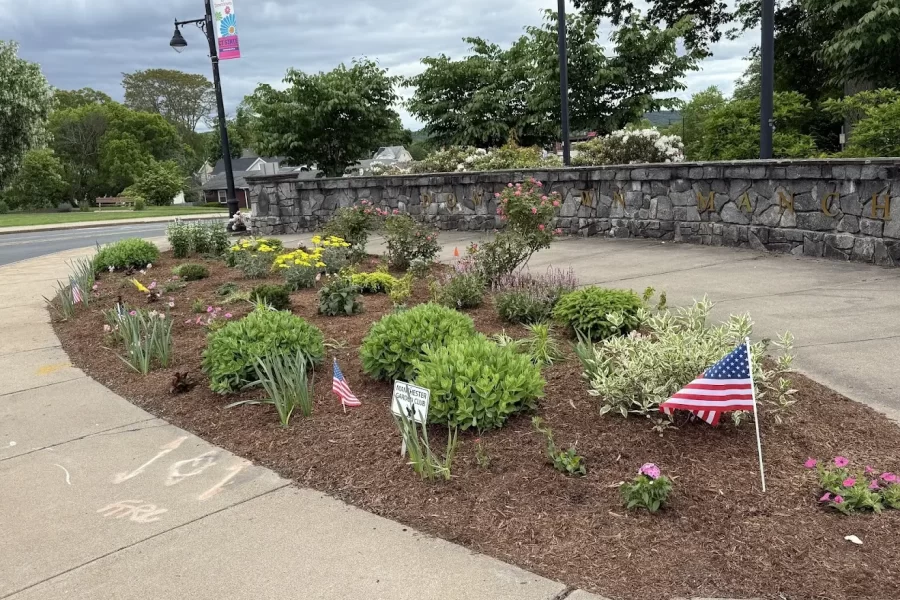
The Club continued to champion community and conservation — creating the Gateway Garden as part of the "Plant It Pink" campaign for breast cancer awareness, establishing Monarch Waystations, and planting native white oaks for its 90th anniversary. Members joined efforts with the Hockanum River Linear Park Committee to plant native trees and remove invasive species. Educational partnerships, such as children's programs at the Lutz Children's Museum, fostered a love of gardening in the next generation.
2020s
Conservation and Restoration
The 2020s marked a renewed commitment to conservation, sustainability, and community partnerships. Building on a century of civic engagement, members expanded the Club's focus to include restoring native habitats and supporting local biodiversity. Hundreds of native trees were grown and donated to the Manchester Land Trust and the Hockanum River Linear Park, and in celebration of Manchester's Bicentennial, the Club distributed 200 native trees to residents. Members transformed the Buckley Memorial Garden into a landscape of Connecticut native plants and launched the Manchester Pollinator Pathway, a community initiative that encourages residents, businesses, and organizations to create connected habitat for pollinators and wildlife. In 2026, the Manchester Garden Club proudly celebrated its Centennial, honoring 100 years of beautifying the community, educating gardeners, and inspiring environmental stewardship.
2026
Centennial
The Manchester Garden Club celebrates one hundred years of cultivating beauty, knowledge and community in Manchester, Connecticut.
About Our Club
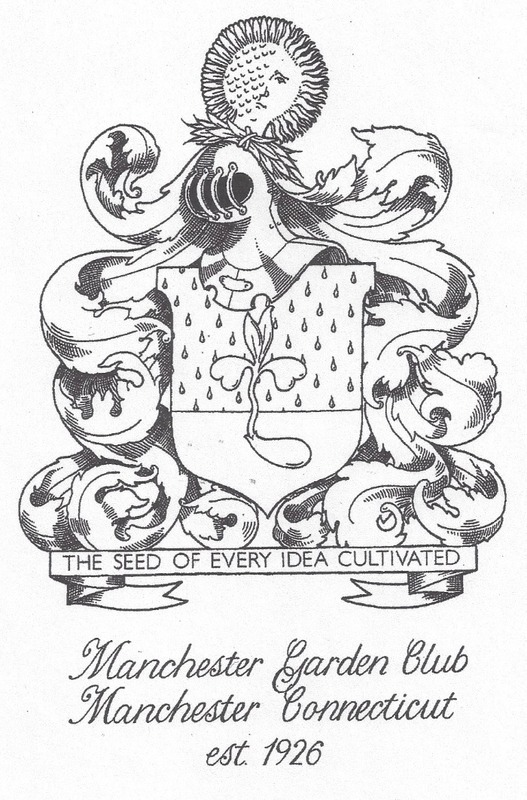
About Our Club Coat of Arms
The Manchester Garden Club’s Coat of Arms, created for our 80th Anniversary, reflects the heart of our mission. The shield features a sprouting seed—symbolizing the growth of ideas, community, and conservation—nourished by the sun and rain above. The motto, “The Seed of Every Idea Cultivated,” represents our belief that beauty, knowledge, and stewardship grow from shared inspiration.
A Living Legacy
A Century of History, Growing in Every Neighborhood
Every decade in our story left something behind that's still rooted in Manchester today — memorial gardens, pollinator habitats and public plantings that our members continue to tend.
The Margaret Trotter Memorial Garden
Main & East Center Streets